
Published:
In schools, security is not about “locking everything down”. It’s about protecting pupils and staff, and making it genuinely difficult for the wrong people to wander onto site, while still keeping the place welcoming for parents, visitors and the local community.
Ensuring a school is secure is also increasingly a legal obligation.
In April 2025 the UK government introduced “Martyn’s Law”, named in honour of Martyn Hett, one of the victims of the 2017 terrorist attack in Manchester Arena.
Martyn’s law is aimed at improving security and preparedness at events and public venues – and this includes schools.
The government states that to comply with the act, that schools will (as far as is reasonably practicable) need to have public protection procedures in place for:
- Evacuation (to get people out of the premises)
- Invacuation (to move people to a safe place)
- Lockdown (to secure premises against attackers)
- Communication (to alert people on premises to the danger)
With this in mind, improving security in schools means taking a holistic approach – it’s not just about fences and gates, but about considering systems, policies, and the people involved.
The best schools do this with a layered approach: strong boundaries, controlled entry points, and staff who know what to do when something feels off.
This is where we think you should start, when looking to improve school security.
The Perimeter
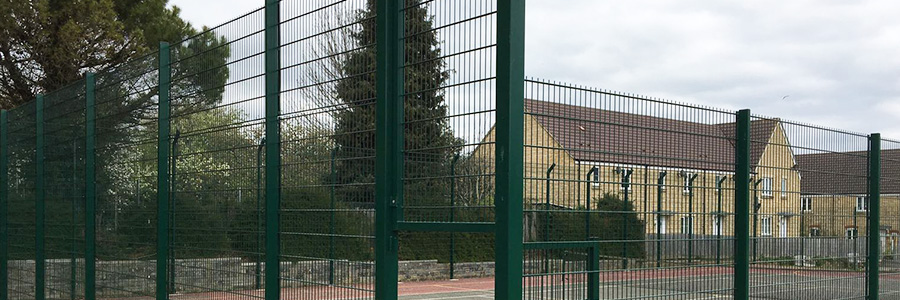
A strong perimeter is your first line of defence. Fences, walls, and gates should be chosen with the intention of keeping the wrong people out while still allowing for easy and safe movement for students and staff.
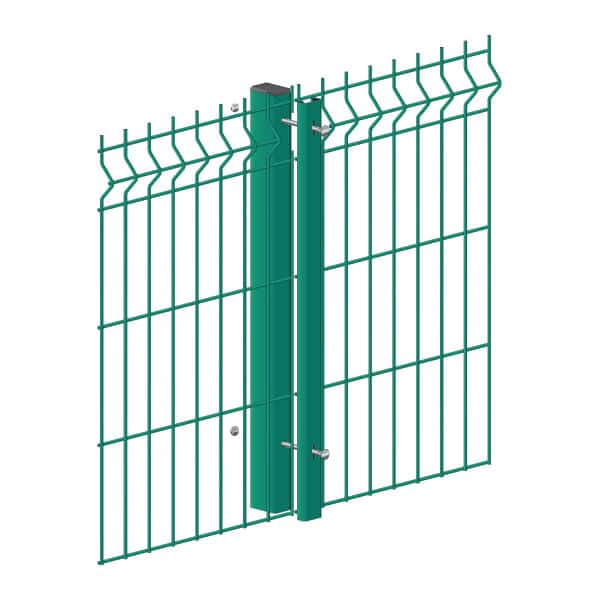
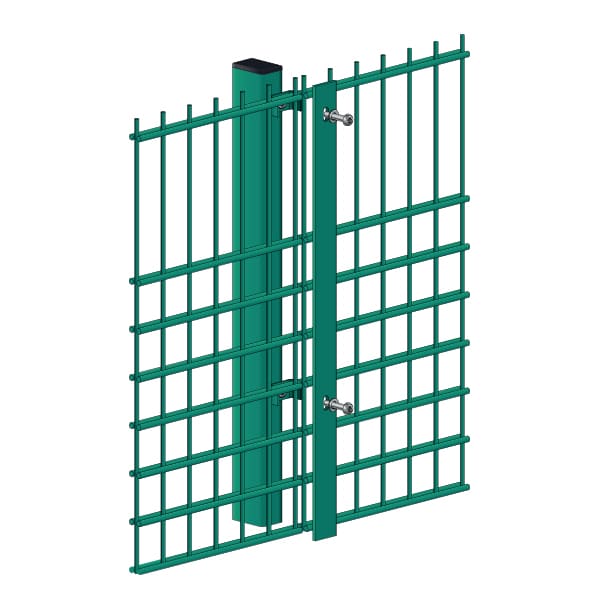
- Use robust fencing, such as v mesh, which is both secure and visually clear.
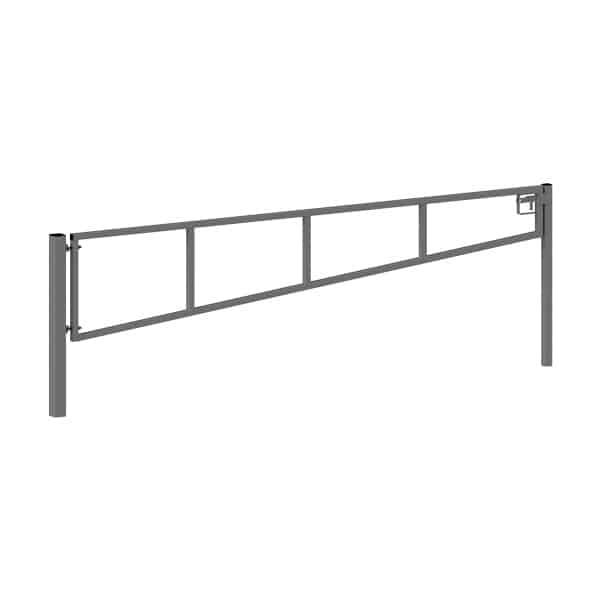
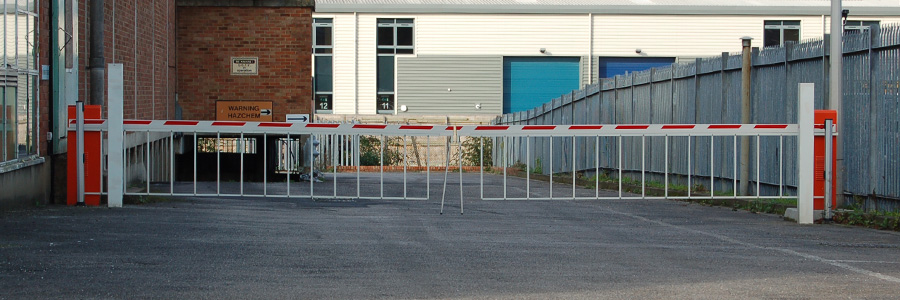
- Install security gates that can be locked after hours but are still easy to open during school hours.
- Make sure the boundary is well-lit and that there are no blind spots where an intruder could go unnoticed.
Entry Points
Your entry points should be controlled at all times, with clear protocols on who can enter the school and when.
- Visitor sign-in: All visitors should be required to check in at reception and wear an ID badge that is clearly visible.
- Consider implementing digital systems that track who is on-site at any given time.
- Secure staff-only zones: Ensure staff doors are controlled access points, meaning only those who should enter, can enter.
- No tailgating: Have a policy that stops people from following others through access-controlled doors.
- Use security badges for staff and contractors and regularly update access permissions for key-holders.
Internal spaces
Did you know that thousands of UK schools are using biometrics to secure access to important spaces?
As of 2021, more than 2500 secondary schools had adopted this technology.
It’s arguably the best way to secure interior spaces such as classrooms, meeting rooms and staff rooms.
Beyond That:
- Wherever possible ensure there are clear sightlines inside the building, so staff and security can monitor what’s going on.
- Consider using restricted zones for non-essential staff and students – areas where only specific people should have access.
Staff Education
While security measures are important, your staff’s awareness and training is crucial. Everyone, from the headteacher to the janitors, needs to understand the procedures for responding to an emergency.
- Regularly train staff on how to respond to various scenarios – evacuations, lockdowns, and invacuations (where people move to a safer space inside the building).
- Ensure staff understand the importance of checking identification, ensuring visitors sign in, and reporting anything suspicious.
- Hold fire drills and emergency response exercises so that everyone knows what to do in case of an actual event.
Staff should also, ideally, be trained in mental health first aid, as well as how to handle disruptive or aggressive behaviour.
Having clear procedures for these issues can prevent escalation before it becomes a security concern.
Grounds and Sports Areas
Sports facilities can be especially vulnerable areas – especially in the evenings or weekends when there are fewer people around.
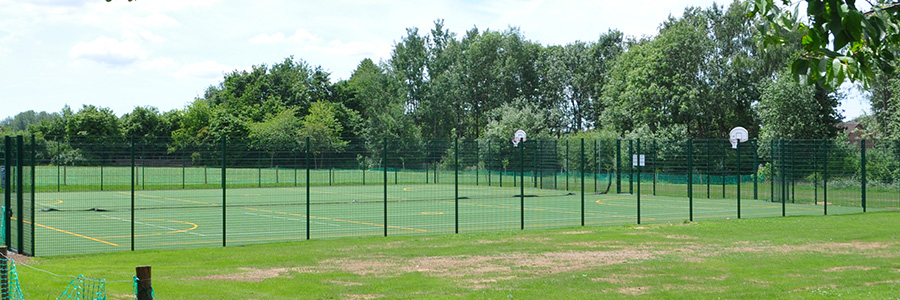
- Secure sports fields, MUGAs, and playgrounds with sports-specific fencing that keeps balls in and unwanted individuals out.
- Ensure rebound fencing and spectator barriers are installed where needed.
- Consider a separate entry system for public use after hours, and have controlled access if facilities are shared with the local community.
Improving school security doesn’t mean turning the place into a fortress. Even in the light of Martyn’s law, it’s still possible to strike a balance between effective safety measures and a welcoming atmosphere.
By implementing as many of the suggestions above, and regularly reviewing security procedures, schools can be places of learning and safety that are also prepared for difficult situations, should they arise.