
Published:
If you need a strong, anti-climb perimeter barrier, steel palisade fencing is one of the most effective deterrents you can install. It’s built to take impact, it’s difficult to scale, and it creates a clear physical and visual boundary around a site.
Palisade fencing isn’t “one size fits all”, though. There are different pale profiles, spike styles, heights, and finishes, and the best choice depends on where it’s going and what level of security you need (and in fact, many types of palisade fencing don’t fit the definition of “security fencing” at all).
What Is Palisade Fencing?
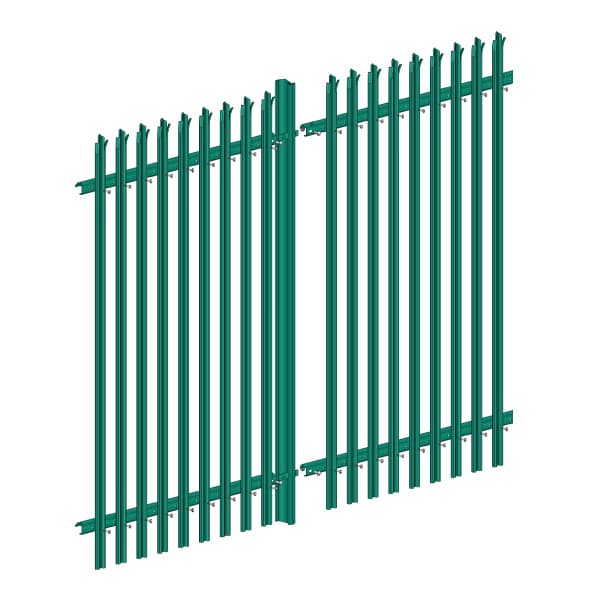
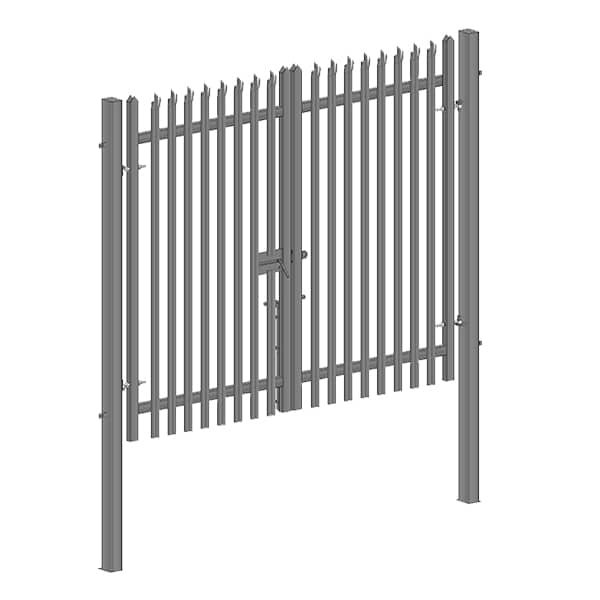
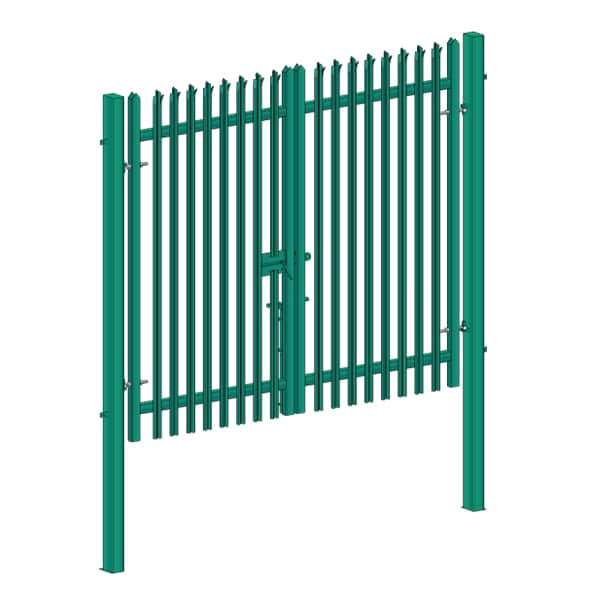
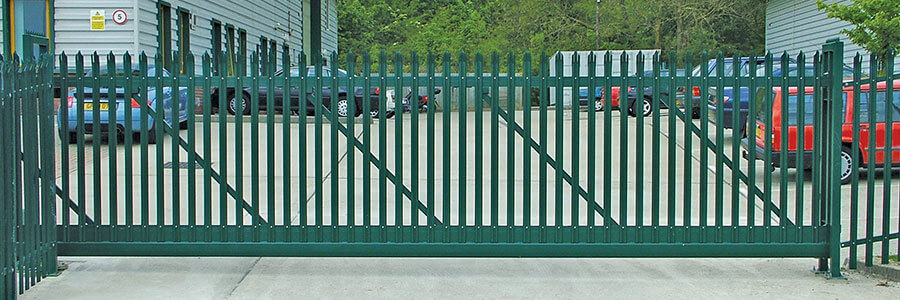
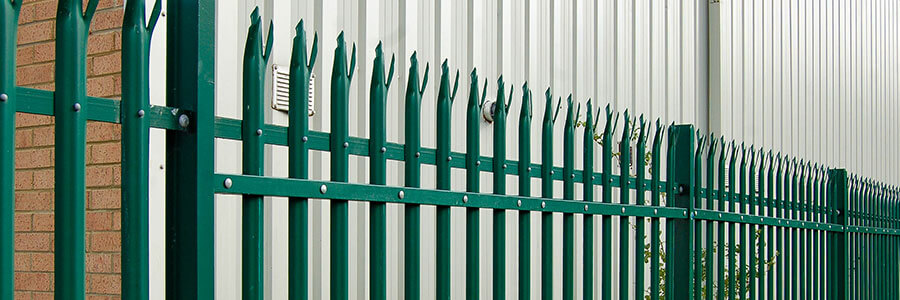
Palisade fencing is a strong, sturdy type of fencing that has been used, in some form or another, for millennia. Modern steel palisade fencing is constructed by using two horizontally running rails, which are connected by vertical rails (otherwise known as pales). The horizontal rails are connected to vertical posts for stability.
The sturdy construction, pale height and the shaped tops (often spiked) make the fence difficult and uncomfortable to climb, which is exactly the point. Palisade fencing is, therefore, a cost-effective and effective perimeter fencing option for a wide-range of applications.
What Is Palisade Fencing Made From?
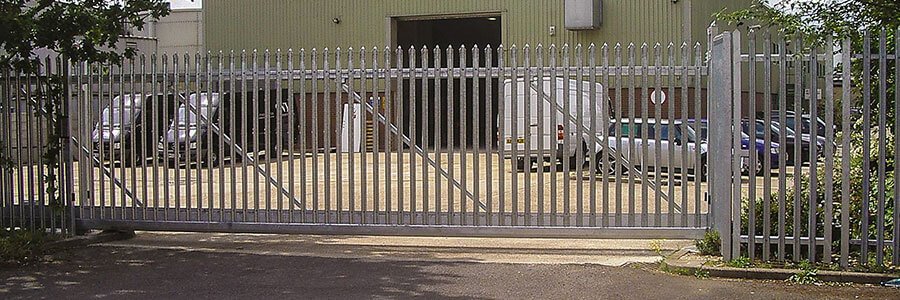
Palisade fencing when used for security purposes are generally made from steel, as this is one of the strongest and most affordable materials to use in construction. Non security and domestic palisade fencing is often constructed from wood.
Is all Palisade Fencing “Security Fencing”?
No, not always.
“Palisade fencing” describes the style and construction (vertical steel pales fixed to rails and posts). It’s often used for security because it’s hard to climb and very visible, but not every palisade installation is automatically “security fencing”.
When palisade is security fencing
It’s usually classed as security fencing when it’s specified and installed for perimeter protection, for example:
- Steel pales with anti-climb tops (single point, triple point, splayed, etc.)
- W or D profile pales (W is typically more anti-climb)
- Taller heights and tighter pale spacing
- Properly set posts, robust fixings, and a suitable finish (galvanised / powder coated)
When it’s not really “security fencing”
Some palisade-style fencing is chosen more for boundary marking or appearance than high security, such as:
- Round/safer tops used at schools and public spaces
- Lower-height systems where climbing isn’t a major concern
- Timber palisade (decorative picket/palisade-style fencing), which is generally not a high-security option
Bottom line: palisade can be security fencing, but whether it is security fencing depends on the specification, height, top style, and intended use.
Different Types Of Palisade Security Fencing
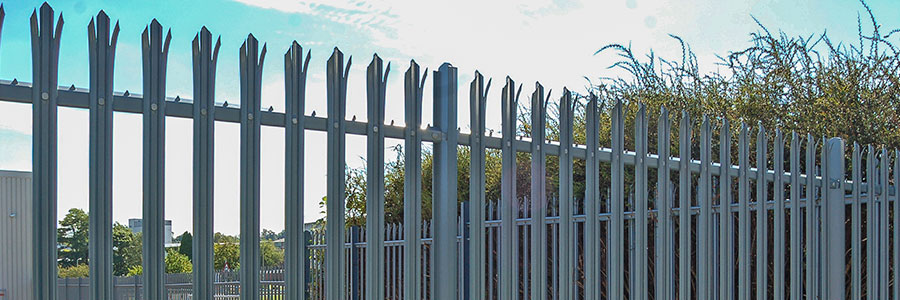
Palisade security fencing can be customised in several different ways. You can adjust the length and width of the pales, as well as the width of the spaces between. However, there are also industry standards that exist to ensure structural integrity and the excellent security that steel palisade fencing is known for.
You can also choose the pale top style and the pale profile, which affects both appearance and securit.
Pale Top Style:
- Single Pointed: This classic shape is sharp and intimidating, acting as an additional deterrent.
- Round Top notched: A rounded pale top looks kinder and is well suited to spaces that wish to attract and contain – such as a school.
- Triple pointed and splayed: This is the most formidable-looking palisade fence type, offering increased protection from intruders. It splays out into three anti-climb spikes, making climbing over particularly dangerous.
Pale Profiles:
Palisade pale profiles come in two types: “D profile” and “W profile”. These refer to the shape of the steel pale if you sliced it and looked at it end-on (its cross-section). Both are made from formed/corrugated steel, just in different shapes.
- D Shape: The D shape looks slightly less intimidating than its W-shaped counterpart.
- W Shape: W profiles have sharper edges and are more difficult to scale, offering added protection. This is the profile that we prefer to utilise, as it is more effective.
Looking to Install Palisade Fencing?
Get started on your project today by contacting our team of experts, who will be happy to advise you on the best system for your specific requirements.