

Published:
Utilities sites sit at the centre of the UK’s critical national infrastructure with essential services such as electricity, water, gas, and wastewater treatment. Because these operations support entire communities and industries, the consequences of a security incident reach beyond the site perimeter. A single breach can disrupt supply to thousands, compromise public safety, and expose operators to regulatory and reputational risks.
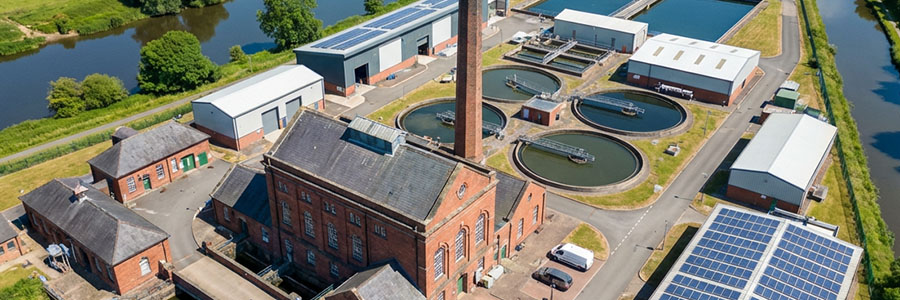
Many utilities assets are in remote or semi-rural areas, often operating without permanent onsite personnel. Substations, pumping stations, and treatment facilities typically depend on passive measures: fencing, lighting, and CCTV, to deter intrusion. While effective, this approach can create gaps in natural surveillance and extend response times, making these environments more appealing to opportunistic offenders, organised criminal networks, and activists intent on disruption.
As the strategic value of utilities infrastructure continues to rise, so too does its attractiveness as a target. Threats such as metal and cable theft, vandalism, and protest activity reflect not only financial motives but also ideological or attention-seeking behaviours. When these risks are not fully understood or proportionately managed, the consequences can include outages, safety issues, and cascading failures across interconnected networks. Adopting a risk-led, intelligence-driven security approach ensures these critical services remain resilient, safe, and reliable for the communities that depend on them.
What Assets Need Protecting? A Two-Tiered Security Focus
The security requirements of any utilities site must be shaped by a clear understanding of what it safeguards. Assets fall broadly into two vital categories: the permanent operational core and the transitional or temporary elements that arise during periods of change. Each presents distinct risks that require tailored and adaptable protection strategies.
The Operational Core: Safeguarding Essential Functionality
At the heart of every utilities operation lie the fixed, high-value assets that sustain continuous service delivery. These include:
- Electrical Infrastructure: Substations, transformers, switchgear, and control systems.
- Water and gas networks: Pumps, filtration and treatment systems, pressure valves, pipeline controls, and SCADA systems.
The compromise of these assets through damage, interference, or theft goes far beyond property loss. It can cause immediate service disruption with wide-ranging effects; power loss in critical facilities, contamination risks in water systems, or gas supply interruptions that endanger public safety. The true cost extends well beyond repair or replacement, encompassing emergency response deployments, regulatory consequences, compensation liabilities, and reputational harm that can take years to rebuild.
The Transitional Phase: Managing Heightened Vulnerability
Security risks intensify when a site undergoes transformation through upgrades, maintenance, or expansion. These phases introduce a new class of assets: mobile, temporary, and often less protected. Examples include:
- Stored construction materials such as copper cabling and conduit.
- Mobile plant and machinery, generators, and temporary electrical systems.
- Partially installed or decommissioned equipment awaiting connection or removal.
During these periods, normal safeguards can weaken. Perimeter boundaries shift, new access points appear, and surveillance coverage can become inconsistent. Increased contractor presence and changing workflows can compound the challenge, creating an environment where high-value materials and equipment are more exposed and attractive to opportunistic theft or interference.
Building a Resilient Security Framework
Effective utilities security must operate on two fronts: maintaining robust, enduring protection for the operational core while dynamically adjusting to safeguard temporary and transitional assets. By embedding flexibility and foresight into security planning, operators can ensure that both routine operations and periods of change remain protected—preserving safety, continuity, and public confidence at every stage.
Understanding the Adversary: Key Threat Vectors in Utilities Security
Effective protection begins with a clear understanding of who the adversaries are and how they operate. Threats to utilities sites span a wide spectrum; from financially motivated crime to ideologically driven disruption, each exploiting particular vulnerabilities and requiring proactive, intelligence-led mitigation.
Metal and Cable Theft: A Persistent Commercial Threat
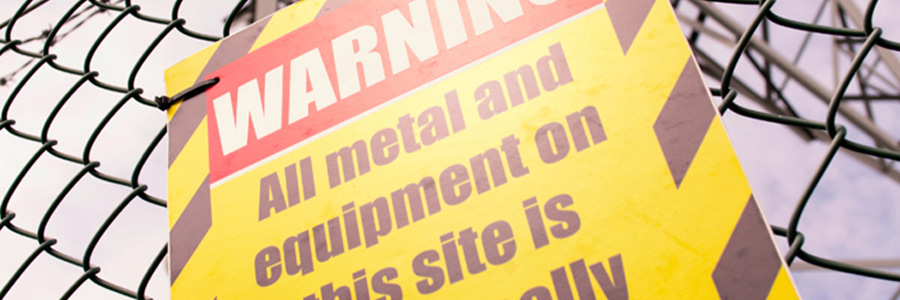
The theft of copper, aluminium, and other metals remains one of the most enduring challenges for utilities operators. Linked to organised criminal networks and fluctuating global commodity prices, these crimes impose costs that extend far beyond the value of stolen materials. Emergency repairs, prolonged service interruptions, and significant compensation claims compound the financial and operational burden.
Remote and unmanned assets such as substations, pumping stations, and relay sites are frequent targets due to their isolation and predictable layouts. For offenders, the perceived low risk and high reward make such locations particularly attractive. For operators, each incident represents more than financial loss. It’s a direct blow to network reliability and community resilience.
Vandalism and Malicious Damage: The Unpredictable Disruptor
Acts of vandalism can arise from many motives; curiosity, frustration, protest, or sheer opportunism. Whatever the driver, the results can be equally damaging. Sites located near public rights-of-way or accessible boundaries face heightened exposure.
Even minor damage to control panels, safety equipment, or enclosures can trigger service disruptions or secondary failures. Such incidents may also create new points of vulnerability and serious safety hazards for both operational teams and the public. While often spontaneous, vandalism can expose gaps in maintenance oversight and underline the need for visible deterrence and rapid response capabilities.
Protest and Targeted Disruption: The Symbolic Adversary
Utilities infrastructure increasingly serves as a focal point for protest activity due to its strategic visibility and societal significance. Energy generation sites, water treatment works, and fuel depots are often selected for their ability to attract public attention and media coverage.
Protest actions typically test the resilience of perimeter security and access control systems. Attempts to block entrances, climb fencing, or occupy operational areas are designed to cause disruption, delay, and publicity. These incidents highlight the importance of planning for both covert and overt threats, ensuring that security measures can withstand sustained pressure while maintaining personnel safety and operational continuity.
Unauthorised Access: The Critical First Breach
Trespass remains one of the most common and consequential security challenges. Whether driven by curiosity, intent to steal, or exploratory reconnaissance, unauthorised entry signals a fundamental breach of site integrity.
The consequences can be severe. Utilities environments contain high-voltage systems, pressurised pipelines, and hazardous substances, making any intrusion a potential safety emergency. Beyond immediate physical danger, such incidents expose operators to legal liability, regulatory scrutiny, and reputational risk. Preventing unauthorised access is therefore not simply about security, it is essential to public safety and operational assurance.
Inherent Vulnerabilities: How Site Characteristics Shape Security Risk
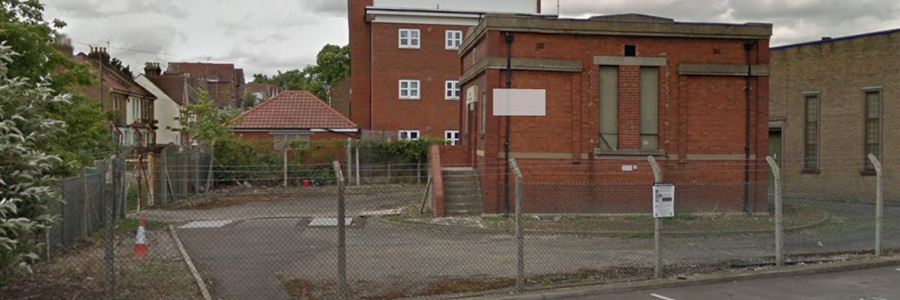
The physical and environmental characteristics of a utilities site are far more than background details; they are core security determinants. Location, visibility, and environmental management each have a profound impact on vulnerability, requiring security measures that are proportionate, adaptive, and specifically tailored to context.
Remote and Isolated Sites: Managing the Risks of Absence
Many utilities sites are positioned in remote or sparsely populated areas by operational necessity. While essential for network efficiency, this isolation removes the natural deterrent of human presence. Without the incidental oversight provided by nearby communities or passing traffic, intruders can approach and operate with minimal risk of detection, particularly at night.
Distance also directly affects response capability. Extended travel times for security teams or emergency responders shift the reliance toward static and technological measures, perimeter controls, intrusion detection, and lighting systems. When these defences are inadequately maintained or outdated, isolation transforms from an operational characteristic into a significant security liability, leaving critical assets exposed to both opportunistic theft and deliberate attack.
Proximity to Public Rights of Way: The Visibility Dilemma
In contrast, sites located near footpaths, roads, or public land face a different kind of vulnerability: constant exposure. High levels of pedestrian or vehicular activity increase the likelihood of unauthorised access, vandalism, and reconnaissance. Perimeters that appear scalable, neglected, or inconsistently patrolled can attract curiosity, testing, or even organised protest actions.
While visibility might seem to offer oversight, it also provides valuable intelligence to potential adversaries. With sustained observation, individuals can identify routines, learn site layouts, and map security coverage. This information that can later enable targeted intrusion or disruption. Here, the threat lies not in isolation, but in overexposure.
Environmental Design and Maintenance: The Overlooked Weak Point
A site’s environmental design can either reinforce or undermine its security posture. Poor lighting, dense vegetation, and uneven terrain create concealed approaches and obstruct sightlines. These conditions diminish the effectiveness of surveillance systems and reduce the deterrent value of visible security infrastructure.
Technological systems such as CCTV and motion detection do not operate in isolation; their performance is inseparable from the environment in which they are deployed. Cameras blinded by foliage or low illumination serve more as recorders than preventers. Maintaining clear, well-lit, and unobstructed zones is therefore not cosmetic, it is essential to ensuring that security measures function as intended and that early detection remains possible.
Understanding the True Cost of a Security Breach
A security incident at a utilities site is rarely confined to the site itself. Its impact radiates outward; disrupting operations, destabilising communities, and eroding confidence across entire networks. The real cost of a breach extends far beyond damaged infrastructure; it encompasses trust, regulatory standing, and the collective assurance that essential services will always be there when needed.
Immediate Operational and Societal Disruption
The most visible effect of a breach is the interruption of supply. Whether it manifests as a power outage, a water contamination alert, or a gas network fault, the disruption is both immediate and far-reaching.
- Households face loss of heating, lighting, and safe water supply.
- Businesses endure halted operations, data loss, and financial setbacks.
- Critical services including hospitals, emergency communications, and treatment facilities encounter operational paralysis that can quickly escalate into a public safety emergency.
Even short-lived incidents can have disproportionate consequences. Beyond the inconvenience lies a deeper social impact: the erosion of trust in a service presumed to be constant. In this context, the breach is not only a technical failure, but also a breakdown in the essential reliability that underpins daily life.
Reputational Impact and Loss of Public Confidence
In the utilities sector, reliability and security are inseparable in the eyes of the public. A breach, particularly one amplified through media coverage, does more than interrupt service; it challenges the perception of competence and care. Headlines about theft, vandalism, or protest-induced shutdowns shape narratives that are difficult to reverse.
Restoring credibility after such incidents demands time, transparency, and consistent performance. Each event leaves a mark, influencing how regulators, investors, and communities perceive the organisation’s capability to protect its assets and its people. Ultimately, reputation is one of the most valuable, and fragile, assets a utility holds.
Regulatory Scrutiny and Legal Consequences
Utilities operate under rigorous regulatory frameworks that demand demonstrable diligence in risk management. When a security breach occurs, it prompts a comprehensive review of governance, procedures, and preventive measures. Regulators and investigators will assess whether the operator’s safeguards were proportionate, maintained, and effectively implemented.
The repercussions can be significant: financial penalties, enforced upgrades to physical and cyber defences, and prolonged restrictions on operations. A single breach can therefore reshape an organisation’s compliance landscape, introducing new costs, obligations, and ongoing oversight that extend well beyond the initial event.
National Security and Systemic Risk
Beyond commercial and operational implications, utilities infrastructure forms a cornerstone of national stability. A major outage or contamination event can cascade across dependent sectors, disrupting communications networks, financial systems, logistics, and emergency coordination.
Such incidents inevitably draw attention from government and national security agencies, recognising them as threats to national resilience rather than isolated failures. The lesson is clear: a single weak point in one facility can reverberate across the critical infrastructure ecosystem. Protecting these assets is therefore not only a matter of corporate stewardship, but of national importance.

The Strategic Imperative: Adopting a Risk-Led Security Framework
For utilities operators, effective security is not about rigid compliance, it is about strategic foresight. A risk-led framework recognises that protection is a living discipline, one that prioritises resources based on evidence, consequence, and context. By directing investment and effort toward the most critical vulnerabilities, operators strengthen resilience while ensuring every measure delivers measurable value.
Rejecting Uniformity: The Need for Tailored Protection
No two utilities sites are alike. Networks combine highly diverse assets; from remote pump houses to urban control centres, each with distinct risk profiles. Applying a uniform security model across this landscape is not only inefficient but potentially hazardous, diverting resources from where they are most needed.
Effective protection begins with understanding asset criticality. By assessing the potential impact of compromise, whether through service disruption, public safety consequences, or cascading network failures, operators can classify sites by importance. This enables risk-proportionate investment: deploying advanced, multi-layered controls at high-consequence sites while applying practical, cost-effective safeguards at lower-risk locations.
From Assumption to Evidence: Defining the Credible Threat
A security strategy built on assumptions will always lag behind evolving threats. By contrast, a data-driven, site-specific risk assessment replaces uncertainty with clarity. This disciplined process draws on:
- Historical and intelligence data: Local crime patterns, protest activity, and sector-specific threat trends.
- Site-specific attractors: Asset value, symbolic significance, and geographic isolation.
- Vulnerability analysis: Identifying existing gaps and potential attack pathways.
The outcome is a credible threat profile that distinguishes high-probability risks from low-likelihood scenarios. This ensures security measures are not reactive responses to past incidents, but forward-looking safeguards grounded in evidence and relevance.
The Security Trinity: Deterrence, Delay, and Detection
Robust security is not the sum of individual technologies, it is a coordinated system that integrates three fundamental functions:
- Deterrence: Visible, psychological barriers such as signage, patrols, and well-fortified perimeters that dissuade intrusion attempts.
- Delay: Physical measures; fencing, locking systems, and structural reinforcements, that slow any attempted breach and buy critical response time.
- Detection: Advanced monitoring technologies such as thermal imaging, analytics, and perimeter intrusion systems that identify incidents in real time and trigger verified intervention.
When these elements work in harmony, they create a layered defence in depth, ensuring that each component supports the others and eliminating single points of failure.
The Operational Mandate: Aligning Security with Function
Security must never impede the delivery of essential services. The most advanced system is only successful when it supports, rather than obstructs, operations. This means designing protection measures that:
- Allow safe, efficient access for authorised personnel, contractors, and responders.
- Integrate seamlessly with safety systems and emergency egress routes.
- Maintain full functionality during both normal operation and crisis response.
When designed intelligently, security becomes an enabler, not a barrier to reliability. A risk-led framework ensures protection evolves with the operation, fortifying resilience while preserving the agility and performance that underpin utility service.

Building an Auditable Defence: The Case for Justifiable Security
In the utilities sector, security is far more than an operational safeguard, it is a core element of corporate governance and risk management. Every investment, specification, and procedural choice must be transparent, defendable, and supported by evidence. A justifiable security framework transforms protection from a tactical expense into a strategic asset. One that can withstand scrutiny, demonstrate due diligence, and deliver lasting resilience.
The Imperative of Defensible Decision-Making
In high-consequence environments, decisions around security must be grounded in evidence, not assumption. Defensible choices emerge from documented, structured processes that can be traced and verified. This traceability becomes vital across multiple fronts:
- Post-incident investigations: Clearly evidencing a formal duty of care to regulators, insurers, and the public.
- Insurance and underwriting: Demonstrating sound risk management practices that support claims and improve premium terms.
- Legal and compliance audits: Providing an auditable trail that proves security measures were proportionate and risk-based.
This disciplined approach ensures that security specifications are both effective and accountable, aligning capital expenditure with measurable reductions in exposure and long-term corporate assurance.
The Risk Assessment: Foundation of Justifiable Security
A comprehensive, formalised risk assessment is the cornerstone of a defensible security program. Far from being a checkbox exercise, it is a living document, an evolving record of risk intelligence, decisions, and mitigations. It supports engagement with multiple stakeholders:
- Insurers: Turning qualitative concerns into quantifiable risk data that allows for fair, evidence-based premiums.
- Regulators and planning authorities: Demonstrating proactive alignment with critical infrastructure protection standards and planning requirements.
- Internal leadership: Translating complex operational risks into financial and reputational terms that drive executive understanding and sustained investment.
By systematically identifying threats, analysing vulnerabilities, and evaluating their likelihood and consequence, the risk assessment ensures that every security control is proportionate, targeted, and justifiable.
From Theory to Practice: Designing a Layered Security Ecosystem
Once the risk profile is validated, operators can shift from reactive measures to a coordinated, integrated security design. This defence-in-depth model avoids overreliance on any single solution, instead creating a layered system built on complementary functions:
- Perimeter security: Establishing the first line of deterrence and delay through physical and spatial controls.
- Access management: Ensuring only authorised individuals move through secure zones via surveillance, biometrics, or zoning controls.
- Detection and surveillance: Delivering situational awareness through intelligent monitoring—intrusion systems, analytics, and thermal imaging.
- Response protocols: Enabling swift, validated intervention the moment a breach is detected.
Each layer reinforces the next, ensuring redundancy and resilience. The result is an architecture of protection that can absorb failure, maintain function, and adapt under pressure.
Ensuring Longevity: Maintenance, Review, and Continuous Improvement
Security effectiveness is sustained through active management, not static design. A defensible program treats security as a lifecycle process built on:
- Regular maintenance: Ensuring equipment and systems remain operational and compliant.
- Periodic reassessment: Reviewing site vulnerabilities and threat intelligence annually or following major change.
- Adaptive improvement: Updating technology, procedures, and training in response to evolving risks and industry lessons.
This culture of continuous evaluation ensures that protection remains credible, auditable, and aligned with both regulatory expectations and the site’s evolving role within the national infrastructure network. A justifiable security programme does more than defend assets, it demonstrates leadership, foresight, and accountability at every level.

Effective Security Begins with Understanding Risk
Successful utilities security starts with a precise understanding of the risks each site truly faces. By analysing the threat environment, asset criticality, and unique site characteristics, operators can replace generic assumptions with targeted insight. This risk-led approach ensures that every protective measure is informed by real-world evidence and operational context, rather than habit or reaction to isolated incidents.
Getting the balance right is critical. Under-investing in protection can leave vital assets vulnerable to theft, vandalism, or disruption, while over-specifying safeguards can lead to unnecessary expenditure, operational inefficiency, and long-term maintenance burdens. Proportionate protection is therefore not just a principle of good security, it is a core element of sound commercial and operational decision-making.
Once risks are clearly defined, assessment must evolve into action. The goal is to deploy physical security measures that provide credible deterrence, meaningful delay, and robust resilience, creating a layered defence precisely aligned with both the threat profile and the practical realities of utilities operations.
At Alexandra Security, we have the expertise to guide you on your infrasture security journey. We work closely with consultants, architects, contractors and clients to ensure that the right perimeter security system is chosen for the site’s needs. Contact our team today for a discussion.